
Blepharoplasty
Reawaken your confidence with expert blepharoplasty designed to refine your eye contours for a refreshed and energized appearance.
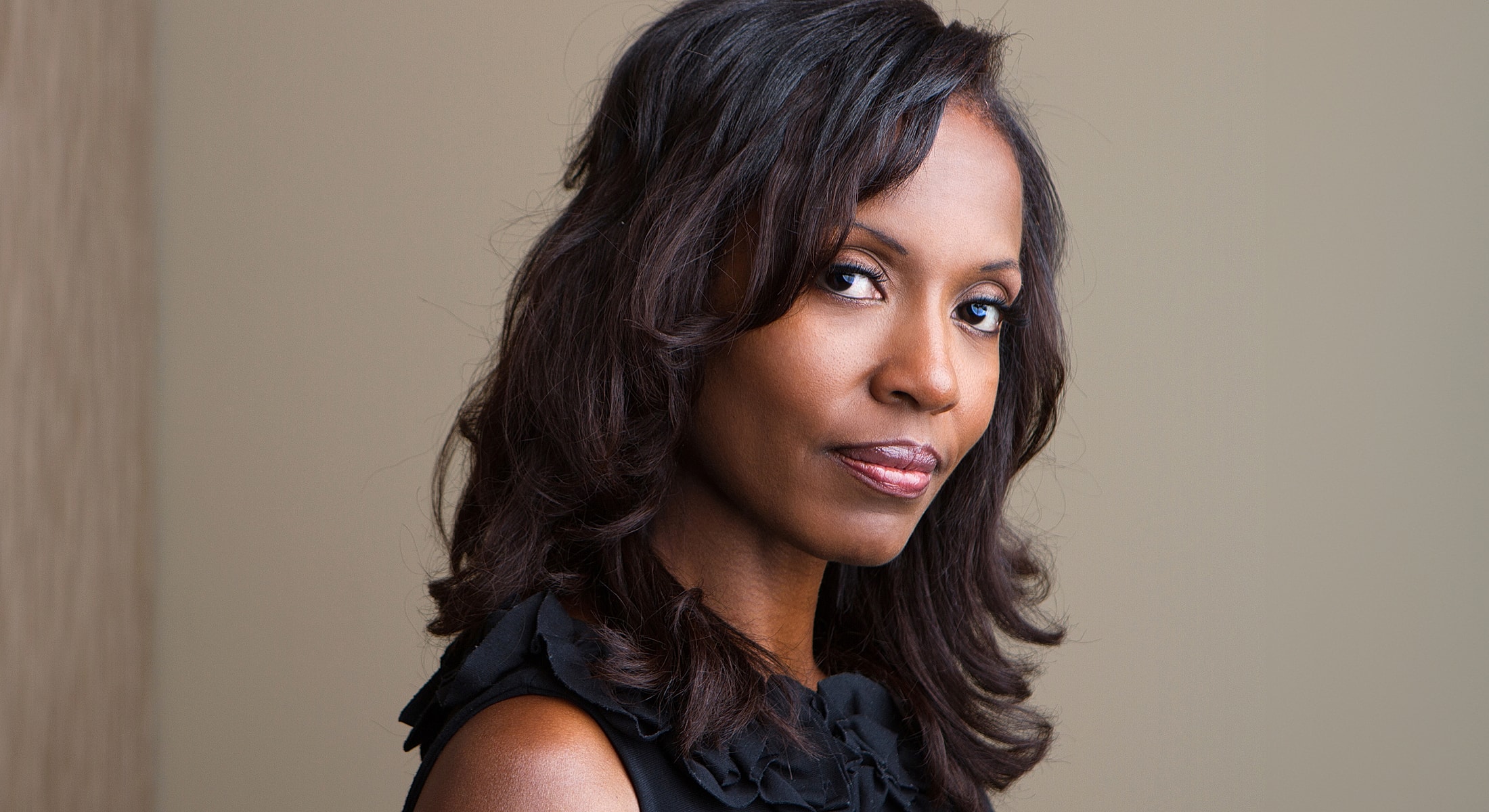
Reawaken your confidence with expert blepharoplasty designed to refine your eye contours for a refreshed and energized appearance.
The eyes are often the first place to show signs of aging, such as sagging skin on the upper eyelids or puffiness around the eyes. Eyelid surgery, or blepharoplasty, is one of the most effective cosmetic surgery procedures for addressing these issues. With expertise in upper eyelid surgery and lower eyelid blepharoplasty, Dr. Clark employs meticulous techniques to remove excess skin, reposition fat, and refine the upper and lower lids, or both, for a natural, balanced result.
As a fellowship-trained expert in facial plastic surgery, Dr. Clark approaches Oklahoma City blepharoplasty procedures with precision, artistry, and an eye for detail, ensuring improvements in your appearance that preserve and enhance your unique expression.

Customized to your needs, whether upper blepharoplasty, lower eyelid surgery, or both
Incisions hidden in natural creases for both upper eyelid blepharoplasty and lower lid blepharoplasty
Most patients return to daily life in 7–10 days
Removes excess fat and softens fine wrinkles while preserving a rested, youthful gaze
Men and women wishing to address drooping eyelid skin or dark circles
At our office in Oklahoma City blepharoplasty (eyelid surgery) is a precise cosmetic procedure designed to remove or reposition excess skin, fat, and muscle around the eyes, restoring a more rested and alert appearance. This delicate procedure can be performed on the upper eyelids, lower eyelids, or both, depending on your concerns.
Upper blepharoplasty corrects issues such as sagging upper eyelids and drooping eyelid skin, which can contribute to a tired or heavy appearance or even impair peripheral vision. Lower eyelid blepharoplasty is typically performed to reduce under-eye bags, puffiness, or fine wrinkles that can create shadows, dark circles, or a sunken look. Eyelid surgery helps you look more refreshed while maintaining the natural contours and character of your eyes.

Depending on the details of the procedure and patient preference, blepharoplasty may be performed using local anesthesia, sedation, or general anesthesia. The procedure typically takes 25 minutes to 1.5 hours if eyelid surgery is being performed on both the upper and lower lids. Patients return home to recover after the surgery is complete.
For upper blepharoplasty, Dr. Clark makes small incisions within the natural fold of the eyelid. Lower blepharoplasty incisions are placed along the lash line or inside the eyelid. Dr. Clark then removes excess skin, adjusts fat pads, and, in some cases, tightens the underlying muscles. Very fine sutures or surgical adhesive are used to precisely close the incisions for smooth healing.

Blepharoplasty offers a refreshed eyelid appearance that looks like you but more rested and vibrant. With blepharoplasty Oklahoma City patients can expect benefits to include:
Removing excess skin and drooping eyelid skin for improved peripheral vision
Reducing puffiness and dark circles below the eyes
Subtle yet powerful enhancement
Long-lasting results with no ongoing fillers required
Quick healing and return to regular activities

You may be a good candidate for blepharoplasty in Oklahoma City if you have any of the following concerns:
During your consultation, Dr. Clark will learn about your goals, review your medical history, and perform a physical exam to determine whether upper blepharoplasty, lower blepharoplasty, or both are appropriate. He’ll also discuss how this procedure compares to alternatives, such as a brow lift, which may be more suitable if sagging in the eye area is caused by a drooping brow. In some cases, combining eyelid surgery with a brow lift can produce the best results.
After blepharoplasty surgery, most patients experience mild swelling that improves in 5–10 days. To support healing, follow Dr. Clark's aftercare instructions, including applying cool compresses and avoiding strenuous activity. You'll rest with your head elevated to help reduce bruising and support the healing process.
Final results appear over several weeks as bruising fades and the eyelid creases refine. Many patients return to work within one to two weeks with a refreshed, open-eyed appearance.
Blepharoplasty provides a refreshed, alert look that aligns with how you feel on the inside. Most patients refer to the change as “looking well-rested” without obvious signs of surgery. Effects often last for years, with visible improvements in eyelid shape, youthful eyelid contours, and a reduction in signs of puffiness and sagging.
Dr. Clark is a sought-after facial plastic surgeon, trusted for his refined techniques and artistic eye. He balances functional improvements—like enhanced vision—with beautifully natural-looking aesthetic results. Our patients receive personalized, concierge-level care from consultation through final recovery. You can rest assured that every detail of your journey is planned with your comfort and confidence in mind.
Yes. Eyelid surgery to remove excess upper eyelid skin can improve vision obscured by drooping lids.
Upper blepharoplasty targets hooding and drooping lids, while lower eyelid blepharoplasty addresses puffiness, bags, and fine lines beneath the eyes.
Most patients can safely resume wearing contact lenses about 10 to 14 days after blepharoplasty, once initial swelling and healing around the eyelid skin have improved. However, this can vary depending on the extent of your surgery and how your eyes respond during the healing process. Dr. Clark will provide personalized guidance at your follow-up visit to ensure that your eyelids are comfortable and stable enough before reintroducing lenses.
Yes, it may be possible to have blepharoplasty if you have an eye condition like Graves' disease, but extra caution is required. Dr. Clark will evaluate your medical history, including any history of thyroid eye disease, to determine whether surgery is safe and appropriate. In some cases, coordination with your ophthalmologist or an oculoplastic surgeon may be recommended to ensure optimal outcomes and minimize risks.
Dr. Clark conceals scars in the eye's natural folds or inside the eyelid, ensuring they are nearly invisible once healed.
Yes. A brow lift may be recommended when drooping eyebrows contribute to eyelid heaviness. Dr Clark will help you determine the right approach for your individual goals and facial anatomy.